
Introduction:
Diabetes is a prevalent but often misunderstood condition that affects millions of people worldwide. With its increasing prevalence, it’s crucial to understand what diabetes is, its types, symptoms, risk factors, and most importantly, how to manage and prevent it. In this comprehensive guide, we’ll delve into the intricacies of diabetes, providing valuable insights for both those living with the condition and those seeking to prevent it.
What is Diabetes?
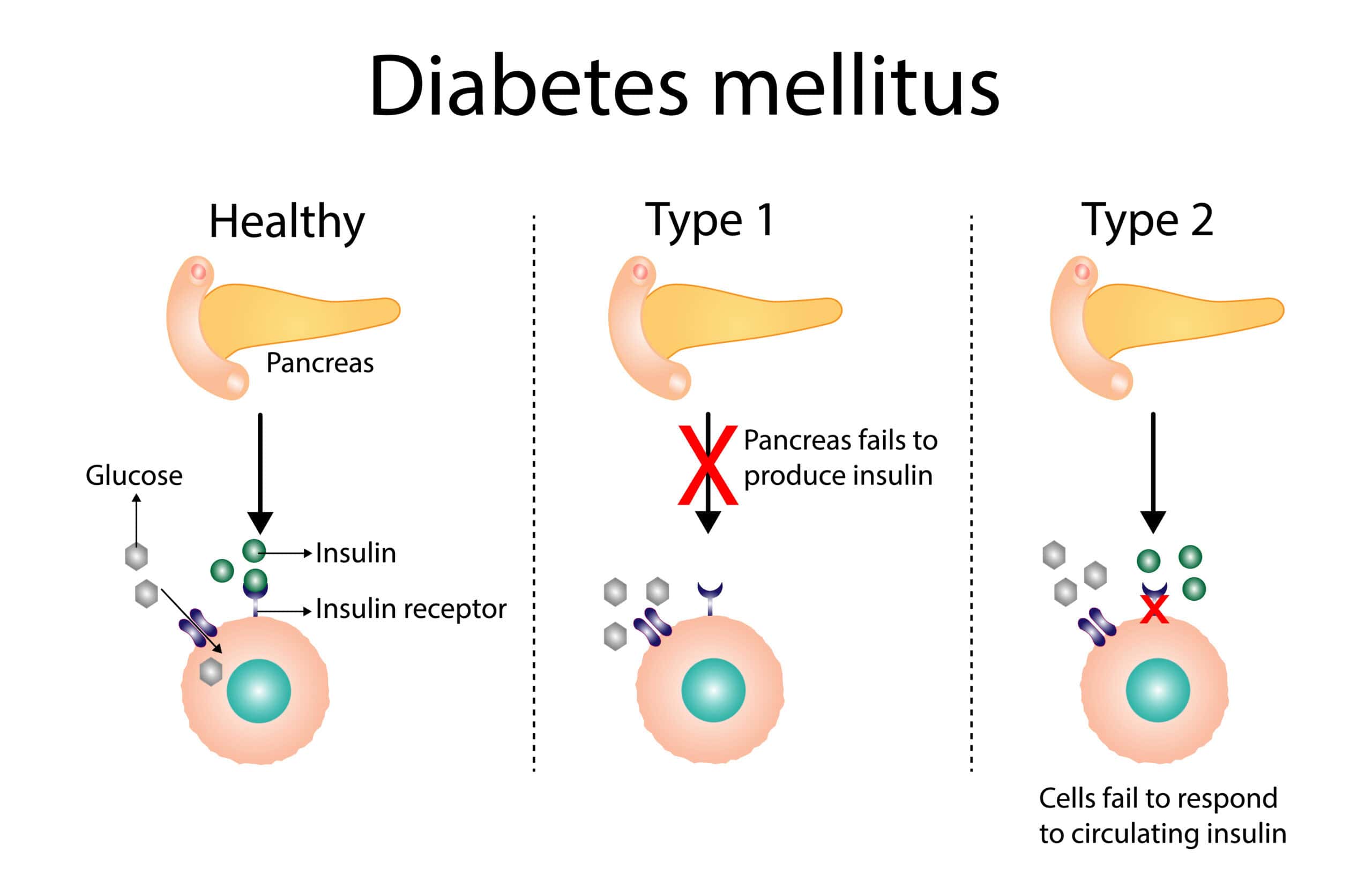
Diabetes is a chronic metabolic disorder characterized by high blood sugar levels (hyperglycemia) either due to insufficient insulin production, ineffective use of insulin, or both. Insulin, produced by the pancreas, regulates blood sugar levels by facilitating the uptake of glucose into cells for energy or storage. When this process is impaired, it leads to elevated blood sugar levels, causing various health complications.
Types of Diabetes:
Type 1 Diabetes: Often diagnosed in childhood or adolescence, type 1 diabetes occurs when the immune system mistakenly attacks and destroys insulin-producing cells in the pancreas. As a result, the body produces little to no insulin, necessitating lifelong insulin replacement therapy.
Type 2 Diabetes: The most common form of diabetes, type 2 diabetes typically develops in adulthood and is associated with insulin resistance, where the body’s cells fail to respond effectively to insulin. Over time, the pancreas may become unable to produce enough insulin to overcome insulin resistance.
Gestational Diabetes: Occurring during pregnancy, gestational diabetes is characterized by high blood sugar levels that develop for the first time during pregnancy. While it usually resolves after childbirth, it increases the risk of type 2 diabetes in both the mother and child.
Other Types: Additionally, there are other less common types of diabetes, such as monogenic diabetes and secondary diabetes, each with distinct causes and characteristics.
Symptoms of Diabetes:
Common symptoms of diabetes include:
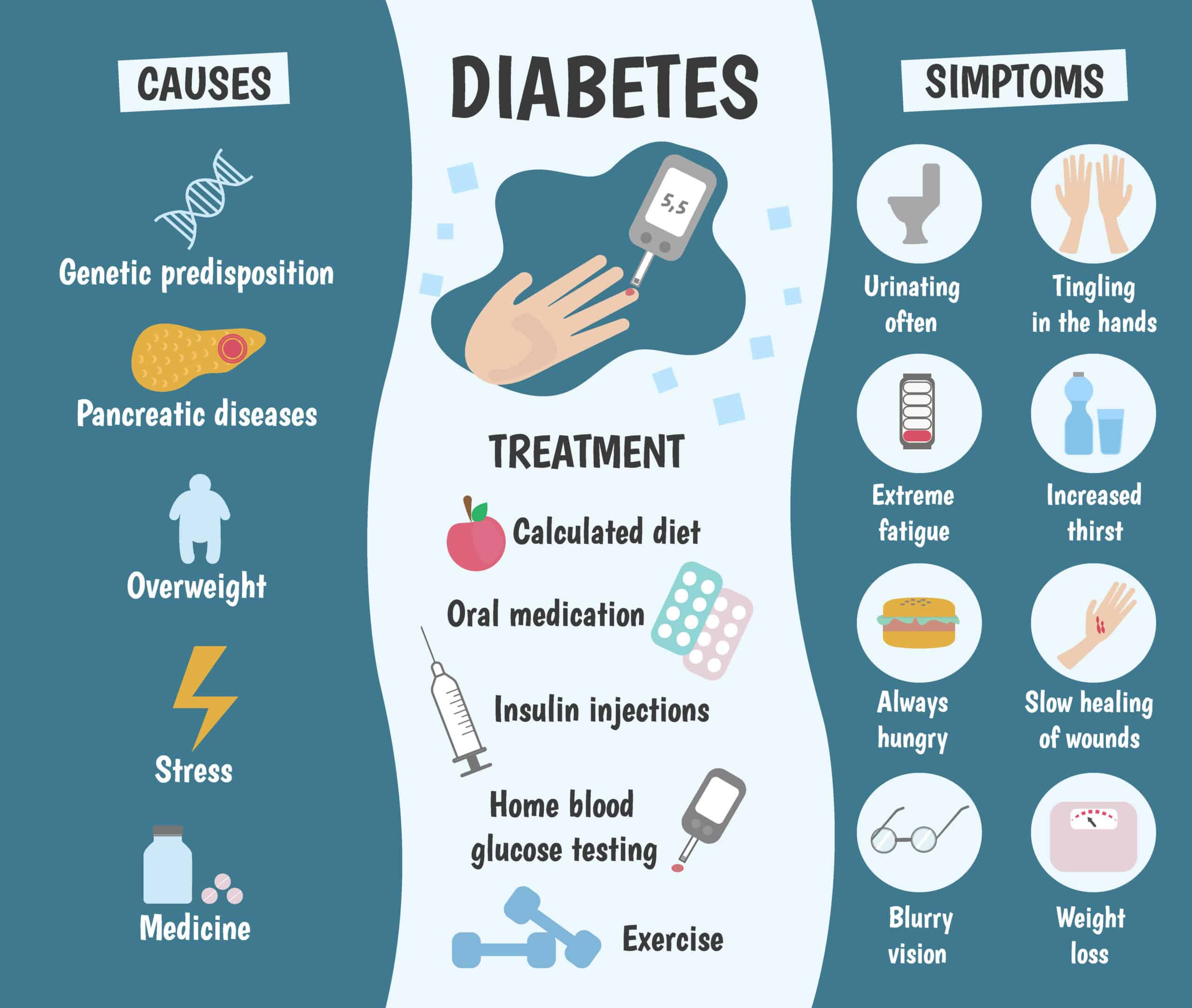
- Frequent urination
- Excessive thirst
- Unexplained weight loss
- Fatigue
- Blurred vision
- Slow wound healing
- Tingling or numbness in hands and feet
- Recurring infections, such as yeast infections
Risk Factors:
Several factors increase the risk of developing diabetes, including:
- Family history of diabetes
- Sedentary lifestyle
- Unhealthy diet high in processed foods and sugars
- Obesity or being overweight
- High blood pressure
- High cholesterol levels
- Ethnicity (certain ethnic groups are at higher risk)
Management and Treatment:
Effective management of diabetes is essential to prevent complications and maintain overall health. Treatment strategies may vary depending on the type of diabetes and individual needs but typically include:
- Medication: For type 1 diabetes, insulin therapy is necessary to regulate blood sugar levels. Type 2 diabetes may require oral medications, injectable medications, or insulin therapy, depending on disease progression and severity.
- Blood Sugar Monitoring: Regular monitoring of blood sugar levels using a glucometer helps individuals with diabetes track their glucose levels and adjust treatment accordingly.
- Healthy Diet: Adopting a balanced diet rich in fruits, vegetables, whole grains, lean proteins, and healthy fats can help stabilize blood sugar levels and manage weight.
- Regular Exercise: Engaging in regular physical activity, such as brisk walking, cycling, or swimming, improves insulin sensitivity, lowers blood sugar levels, and promotes overall health.
- Weight Management: Maintaining a healthy weight through a combination of diet and exercise is crucial for managing diabetes and reducing the risk of complications.
- Stress Management: Stress can affect blood sugar levels, so practicing stress-reducing techniques such as meditation, yoga, or deep breathing exercises can be beneficial.
- Regular Medical Checkups: Routine visits to healthcare providers for comprehensive diabetes care, including monitoring blood sugar, blood pressure, cholesterol levels, and screening for complications, are essential.
Prevention:
While some risk factors for diabetes, such as family history and ethnicity, cannot be changed, adopting healthy lifestyle habits can significantly reduce the risk of developing type 2 diabetes:
- Maintain a healthy weight through a balanced diet and regular exercise.
- Limit consumption of sugary beverages and processed foods.
- Choose whole foods over refined carbohydrates.
- Incorporate physical activity into daily routines.
- Avoid smoking and limit alcohol consumption.
- Get regular checkups to monitor blood sugar, blood pressure, and cholesterol levels.
- Manage stress through relaxation techniques and adequate sleep.
Conclusion:
Diabetes is a complex but manageable condition that requires a comprehensive approach to treatment and prevention. By understanding the different types of diabetes, recognizing symptoms, addressing risk factors, and adopting healthy lifestyle habits, individuals can take control of their health and reduce the risk of complications associated with diabetes. With proper management and preventive measures, it’s possible to live a full and active life despite diabetes.
Dr. Neha Lalani at Bluebonnet Diabetes & Endocrinology, striving to give high quality, comprehensive and personalized care for Diabetes to patients. Book your appointment today by visiting our website at https://bluebonnetendocrinology.com/contact-us/ or call us at (512) 387-4224.