Glucagon-like peptide-1 (GLP-1) receptor agonists — medications like semaglutide, Tirzepatide and exenatide — have become household names for managing type 2 diabetes and helping with weight loss. But what if these powerful hormones could offer more than just metabolic improvement?
The Science Behind GLP-1 Agonists:
It is traditionally thought that GLP-1 agonists work by:
- Enhancing insulin production
- Decreasing glucagon release
- Slowing gastric emptying
- Suppressing appetite
In the last few years, it has been found that GLP-1 receptors are distributed throughout the body: In brain, heart, endothelium (inner lining of blood vessels), immune cells, potentially offering benefits in brain health, mood regulation, liver disease, and even addiction pathways.
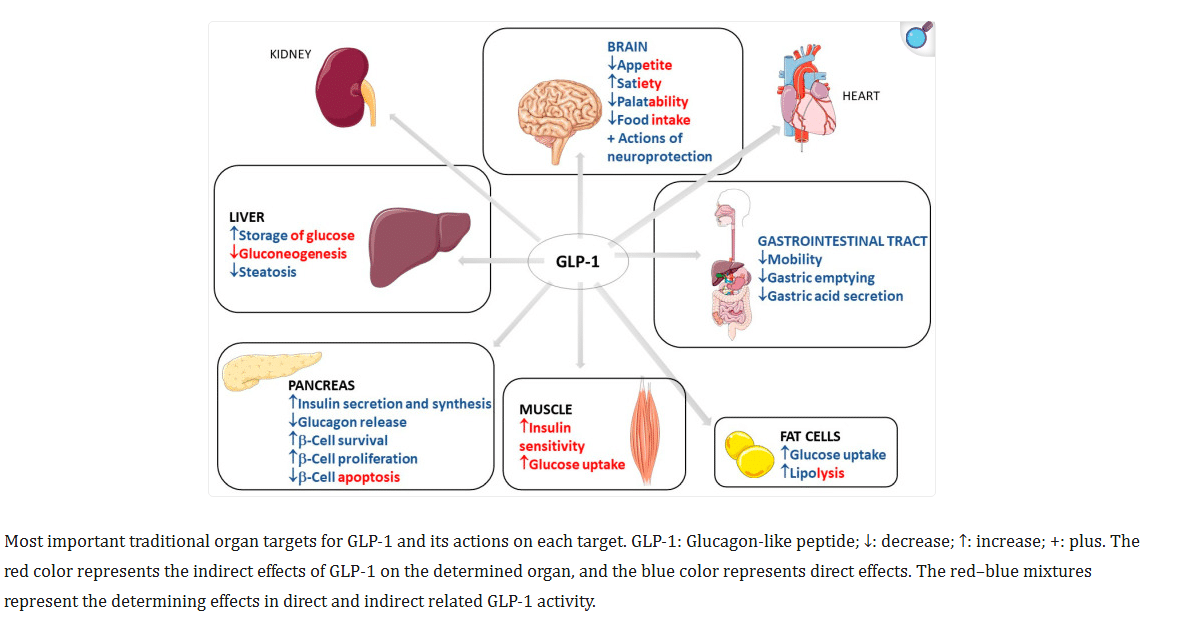
Source: Laurindo, Lucas Fornari, et al. “GLP-1a: Going Beyond Traditional Use.” International Journal of Molecular Sciences, vol. 23, no. 2, 2022, p. 739, doi:10.3390/ijms23020739. PubMed, PMID: 35054924.
So, What is Microdosing?
The concept of microdosing means using sub-therapeutic doses of GLP-1 medications (For example half or one quarter), which has shown anecdotal reports of mood improvement, reduced inflammation, and perceived cognitive benefits. However:
- While the safety of these medications is well established, currently there are no formal Human clinical trials establishing proven outcomes for microdosing itself.
- Most research on GLP-1’s non-traditional effects use standard or higher pharmacologic doses.
That being said, let us try to understand why and how GLP-1 microdosing can be beneficial.
Neuroprotective Potential: Brain Health Beyond Glucose
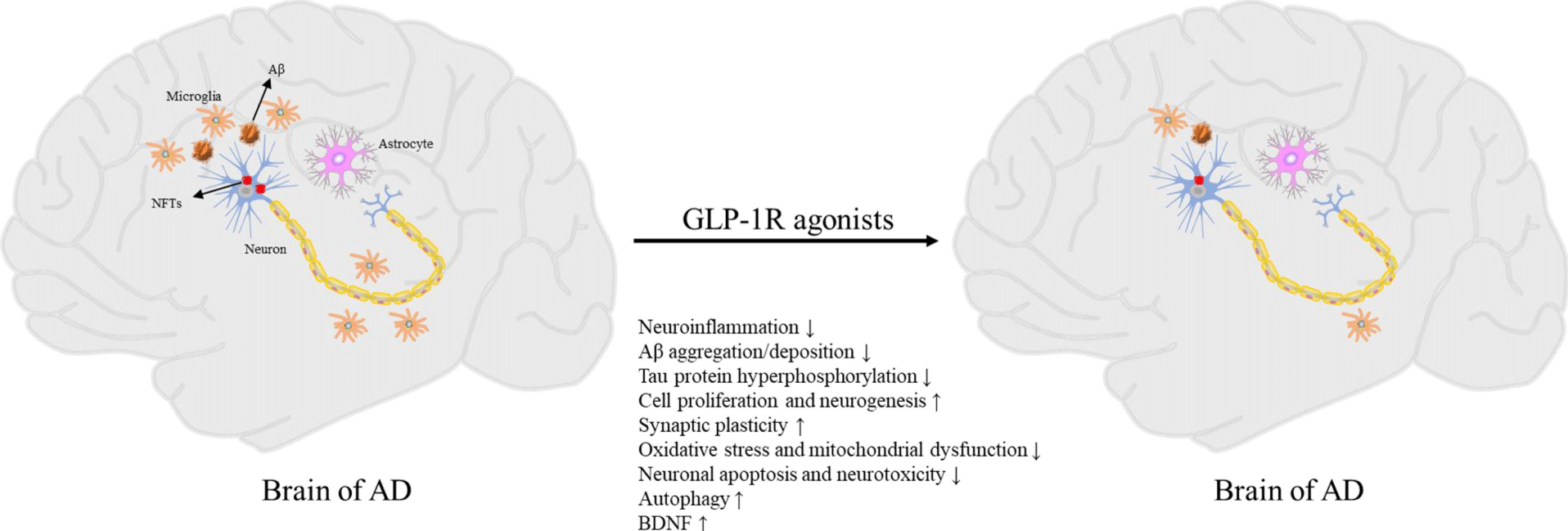
GLP-1 isn’t just active in the gut and pancreas — it crosses the blood-brain barrier and participates in neuronal signaling. Clinical trials and observational studies have explored GLP-1 receptor agonists in neurodegenerative diseases such as Alzheimer’s disease and Parkinson’s disease, with findings suggesting potential improvements in cognitive function, motor symptoms, and overall neurological stability.¹
These effects are believed to be mediated through anti-inflammatory pathways, mitochondrial protection, and improved cerebral energy metabolism.¹
Emerging studies indicate GLP-1 analogs may positively affect:
- Alzheimer’s disease pathways: By multiple neuroprotective mechanisms in AD models, such as anti-inflammation, anti-oxidative stress, reducing Aβ aggregation/deposition and tau protein hyperphosphorylation, reducing neuronal apoptosis and neurotoxicity, increasing cell proliferation and neurogenesis, increasing synaptic plasticity2.
- Parkinson’s disease symptoms: Clinical research suggests benefits in motor function and emotional well-being, possibly due to neurotrophic (nerve-supporting) and neuroprotective actions3 — including reducing inflammation and oxidative stress among brain cells.
These findings illuminate how GLP-1 can influence brain metabolism and neurological resilience — and why some are exploring low-dose strategies aimed at supporting long-term cognitive health.
Mood and Emotional Well-Being
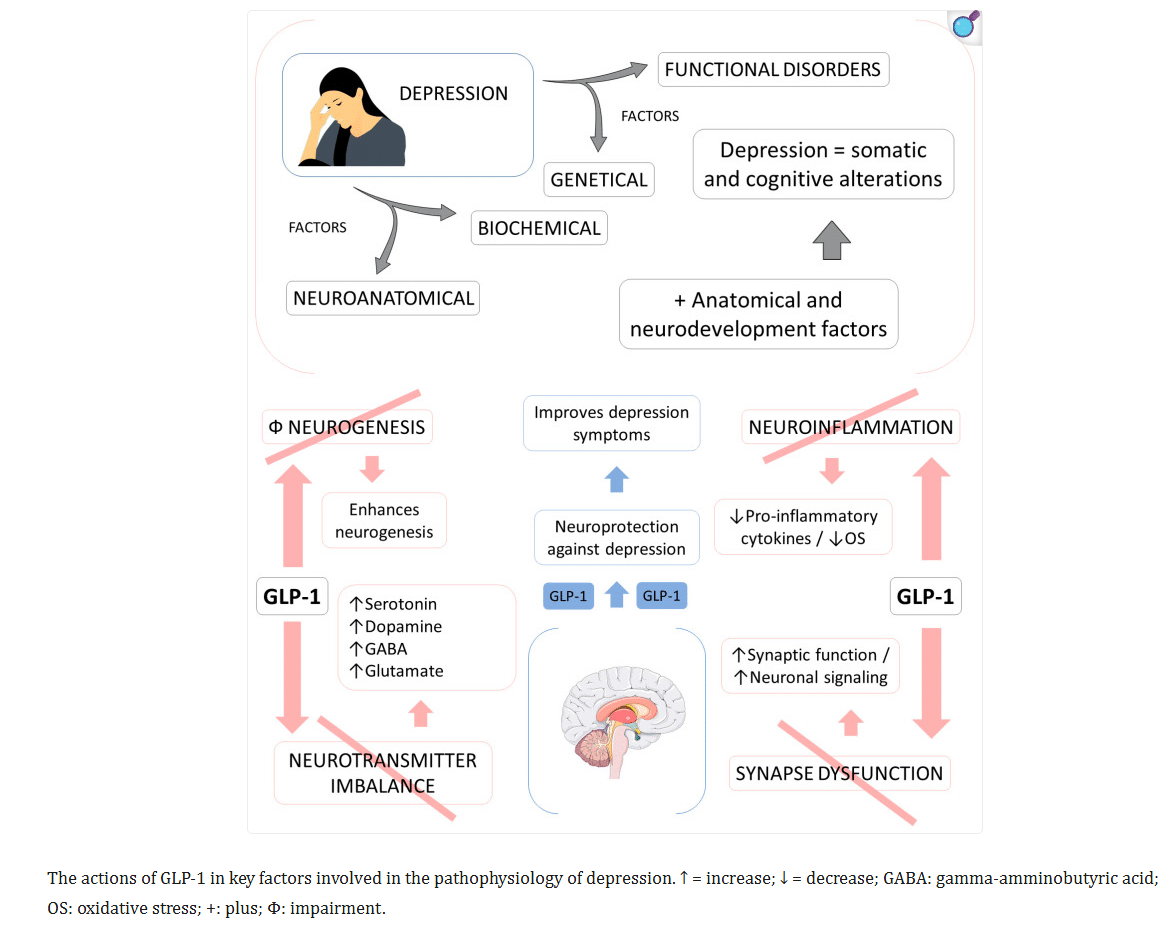
GLP-1 receptors are present in brain regions involved in reward processing, mood regulation, and motivation, including the hypothalamus and mesolimbic dopamine system.¹
Clinical data have demonstrated that GLP-1 receptor agonist therapy may be associated with:
- Improvements in patient-reported quality-of-life measures
- Reduced hedonic eating and reward-driven behaviors
- Modulation of dopaminergic signaling pathways¹
These findings have generated interest in GLP-1’s potential influence on emotional well-being and behavioral regulation, although GLP-1 medications are not approved for the treatment of mood disorders, and evidence remains exploratory.
Liver Health
Non-alcoholic fatty liver disease (NAFLD) and its more advanced form, non-alcoholic steatohepatitis (NASH), are tightly linked to metabolic dysfunction, insulin resistance, which has a negative impact on longevity. GLP-1 analogs show promise by:
- Reducing visceral adiposity (deep belly fat that drives metabolic disease),
- Lowering liver fat deposition,
- Improving insulin resistance — a key driver of NAFLD.
Clinical studies suggest these benefits occur independently of weight loss alone, supporting a direct metabolic and anti-inflammatory role of GLP-1 signaling in the liver.¹
FDA has approved Semaglutide in 2025 for treatment of MASH (Metabolic dysfunction associated steatohepatitis).
Reward System Modulation and Addiction Behavior
Preclinical and early clinical research indicates that GLP-1 receptor activation influences brain reward circuitry, particularly dopamine signaling in the nucleus accumbens.¹
Animal models and limited human data suggest GLP-1 receptor agonists may reduce:
- Substance-seeking behaviors
- Alcohol intake
- Food-related compulsive behaviors¹
While promising, these findings remain investigational, and GLP-1 therapies are not approved treatments for addiction or substance use disorders.
The Bottom Line
The term microdosing is not defined in medical guidelines and does not appear in FDA-approved labeling for GLP-1 receptor agonists. At present:
- No randomized controlled trials have evaluated sub-therapeutic or microdose GLP-1 regimens.
- Safety, efficacy, and long-term outcomes of microdosing are unknown.
- All documented benefits described above come from standard clinical dosing protocols¹
- Any off-label dosing strategy should be approached cautiously and discussed with a licensed healthcare professional.
References
- Hölscher C. GLP-1 receptor agonists show neuroprotective effects in neurodegenerative diseases.
International Journal of Molecular Sciences. 2022;23(1):121.
Available at: https://pmc.ncbi.nlm.nih.gov/articles/PMC8775408/ - Du, H., Meng, X., Yao, Y., & Xu, J. (2022). The mechanism and efficacy of GLP-1 receptor agonists in the treatment of Alzheimer’s disease. Frontiers in Endocrinology, 13, Article 1033479. https://doi.org/10.3389/fendo.2022.1033479
- Dahiya, S., Tisch, S., & Greenfield, J. (2022). The effect of GLP-1 receptor agonists in pre-clinical rodent models of Parkinson’s disease: A systematic review and meta-analysis. Clinical Parkinsonism & Related Disorders, 6, 100133. https://doi.org/10.1016/j.prdoa.2022.100133
Interested in exploring whether a personalized GLP-1 approach could support your health goals? Schedule a consultation with Dr. Lalani to discuss your options.
Take the Next Step
Interested in a proactive, personalized approach to your health? Dr. Lalani at Bluebonnet Diabetes & Endocrinology is here to help.