Osteoporosis Specialist Serving the Austin Area
We care for adults with osteoporosis, osteopenia and other metabolic bone disorders. Led by Dr. Neha Lalani, we listen to your concerns and build a plan focused on preventing fractures and protecting your independence.
Visit our Lakeway office, serving Austin and surrounding communities, or meet with us by telemedicine anywhere in Texas.
- Triple board-certified: Endocrinology, Diabetes & Metabolism · Internal Medicine · Obesity Medicine
- Metabolic bone disease training: University of Kansas Medical Center
Request an Appointment
Bone Health Care Focused on Fracture Prevention
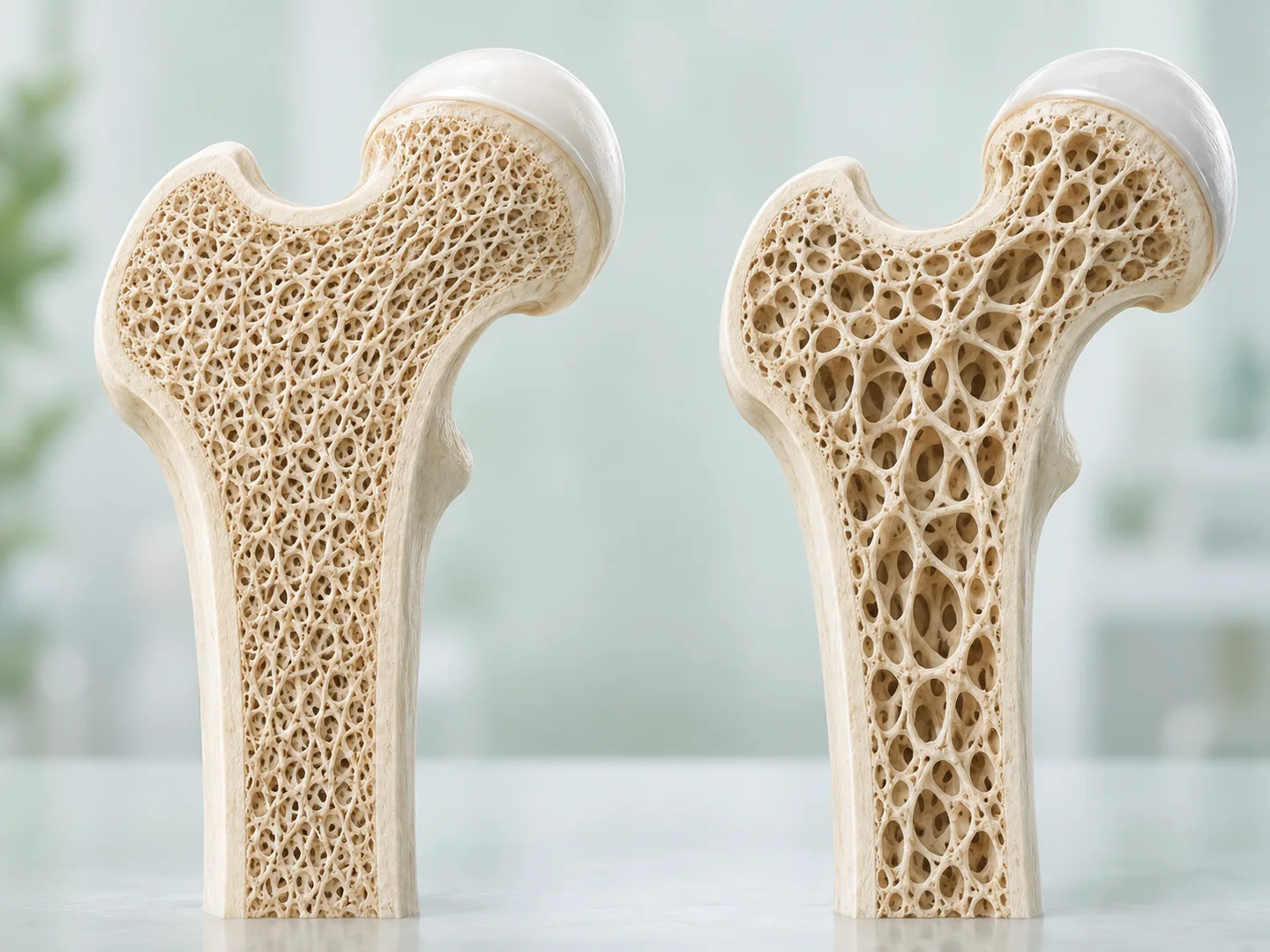
Osteoporosis weakens bones and makes fractures more likely. Osteopenia means lower-than-normal bone density. Our goal is to prevent fractures, especially of the hip and spine, which can affect your health and independence.
Before recommending treatment, we look for the reason for bone loss.
What We Treat
- Osteoporosis and osteopenia (low bone mass)
- Osteoporosis in men and premenopausal women
- Postmenopausal osteoporosis
- Secondary osteoporosis, including steroid-related bone loss
- Hyperparathyroidism and hypoparathyroidism
- Calcium and vitamin D disorders
- Paget’s disease and other metabolic bone disorders
When to See an Endocrinologist for Osteoporosis
- Your DEXA scan shows osteoporosis or significant osteopenia
- You’ve had a fracture from a minor fall, or your bone density keeps declining
- Bone loss started earlier than expected or may be linked to hormones, kidney disease or steroid use
- You need to choose, switch or stop an osteoporosis medication
Bone Density & Fracture Risk Evaluation
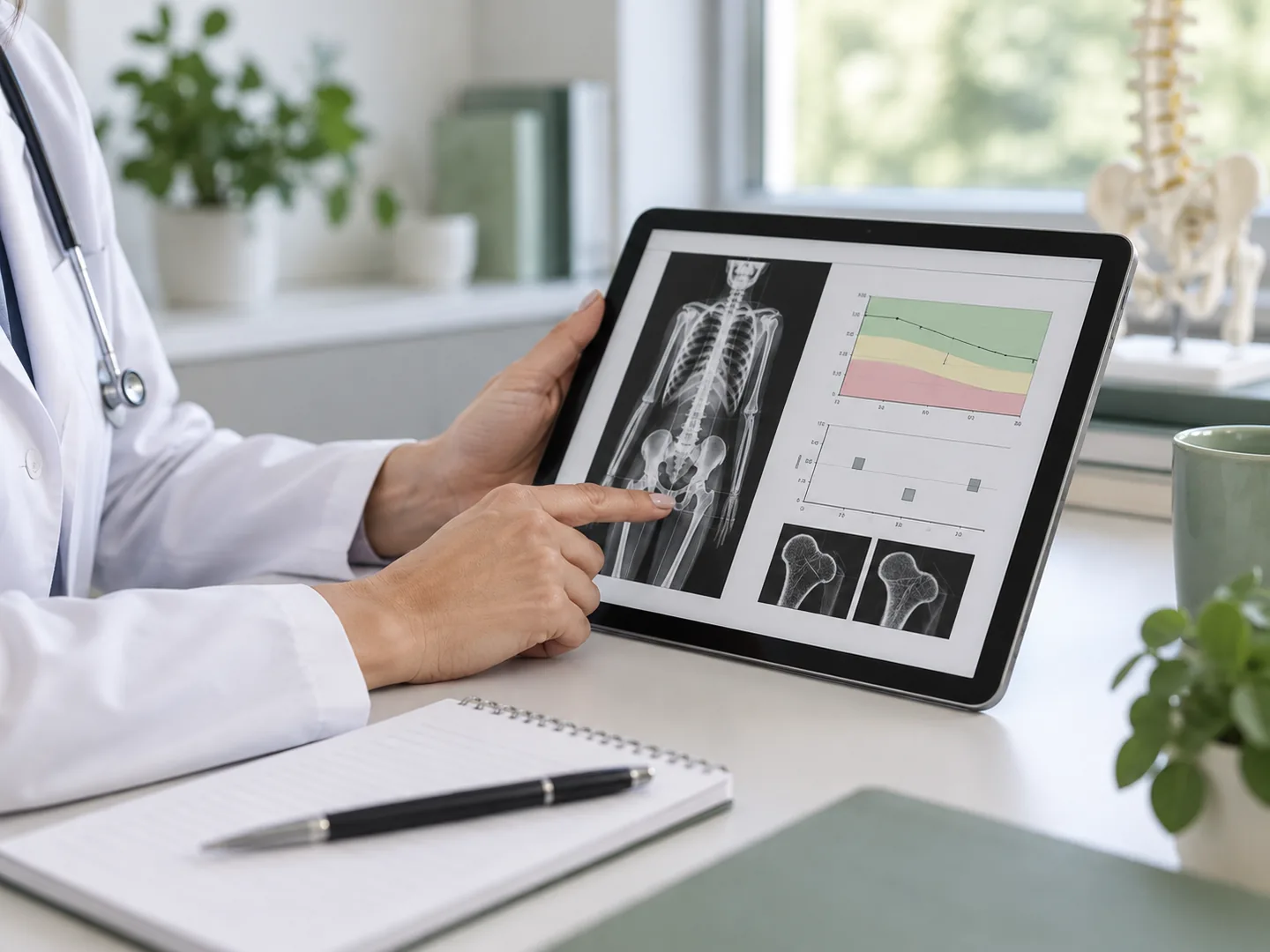
We review your DEXA (DXA) scan along with your fracture history, medications and labs.
- Bone density interpretation: Including fracture risk assessment with FRAX
- Root-cause testing: Hormone, parathyroid, calcium and vitamin D evaluation
- Fall risk review: Most fractures follow a fall, so we look at fall risk too
- Additional testing: Labs or imaging when needed
We also recommend when to repeat bone density testing, based on your history and risk.
Osteoporosis Treatment Based on Your Needs
We choose treatment together, considering your age, bone density, prior fractures, kidney health, kidney stone history and other conditions.
- Bisphosphonates: Alendronate (Fosamax), risedronate (Actonel), ibandronate (Boniva) and zoledronic acid (Reclast)
- Denosumab: Prolia
- Bone-building therapies: Teriparatide (Forteo), abaloparatide (Tymlos), romosozumab (Evenity)
- Supportive care: Calcium, vitamin D, exercise and fall prevention
- Osteopenia: Treatment or monitoring based on your fracture risk
For patients with hyperparathyroidism, we coordinate with a surgeon when surgery is the right option.
Follow-up labs and bone density testing help us track your response, adjust your plan and decide how long to continue treatment.

What to Expect
Root-Cause Review
We review your bone density results, fracture history, medications and labs.
A Plan We Choose Together
We discuss treatment options based on your fracture risk, health and preferences.
Ongoing Care
Follow-up visits and testing help us monitor your response and adjust your plan.
Timely Appointments, Unhurried Care
-
Timely appointments
Appointments are typically available within one week.
-
Unhurried visits
We offer unhurried visits and direct access to your doctor, with time to listen and discuss your concerns.
-
Transparent pricing
- New consultation
- $449
- Non-member follow-up
- $275
- Membership
- $150/month
Medicare Part B is accepted, and discounted lab access is available.
-
In-office or virtual care
In-office in Lakeway or telemedicine across Texas when appropriate.
Membership includes flexible virtual visits.
Osteoporosis FAQs
What is the goal of osteoporosis treatment?
Preventing fractures. Hip and spine fractures pose the biggest threat to your health and independence, so every treatment decision aims to lower that risk.
Are calcium and vitamin D enough for osteoporosis?
Calcium, vitamin D and weight-bearing exercise help, but for osteoporosis they aren’t enough on their own. Prescription medication is usually needed to prevent fractures.
How do you choose the right treatment?
We consider your age, fracture history, bone density, kidney health, kidney stone history and other conditions.
How do you treat severe osteoporosis?
Severe osteoporosis often calls for bone-building (anabolic) medications, which form new bone rather than only slowing bone loss.
Are osteoporosis medications safe?
Serious side effects, such as jaw problems or unusual thigh fractures, are rare. For most people with osteoporosis, the benefit of preventing fractures far outweighs these risks. We review your individual risks before starting any treatment.
Can I stop Prolia?
Not without a plan. Stopping Prolia abruptly can cause rapid bone loss and spine fractures, so we transition you to another medication when it’s time to stop.
What is a drug holiday?
Some patients on bisphosphonates can take a planned break after several years of treatment. Whether a break is safe for you depends on your fracture risk.
Do I need a recent DEXA scan before my visit?
Bring any prior bone density results you have. If you need a new scan, we’ll arrange one.
Request an Osteoporosis Appointment
Request an in-office or telemedicine visit. Our team typically responds within one business day.